Designing for Endurance: A Decade of Fitness-Tech Product Design
Format: A visual product-design showcase
Brands: TrainingPeaks, Athlinks, Runcoach, Stryd, Run The Edge
Role: Lead Product Designer
Before I designed software for agriculture or IT, I spent the better part of a decade shaping the look and feel of products for endurance athletes and the coaches who train them. Across five fitness companies I worked on brand identities, marketing sites, and the apps themselves — and the same design problem kept reappearing: how do you take cold, dense performance data and turn it into something an athlete actually trusts, understands, and comes back to? This is a user-centered tour of that work.
Stryd
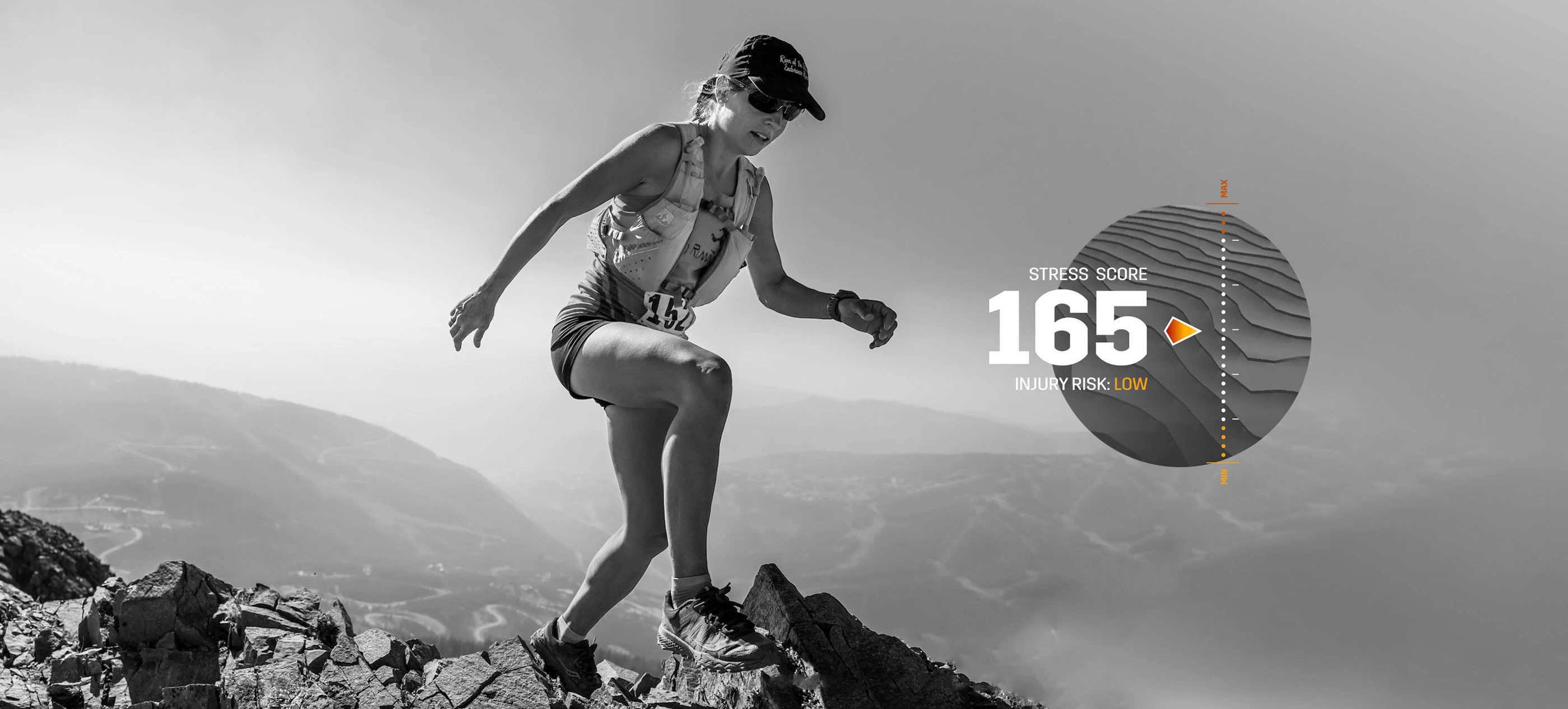
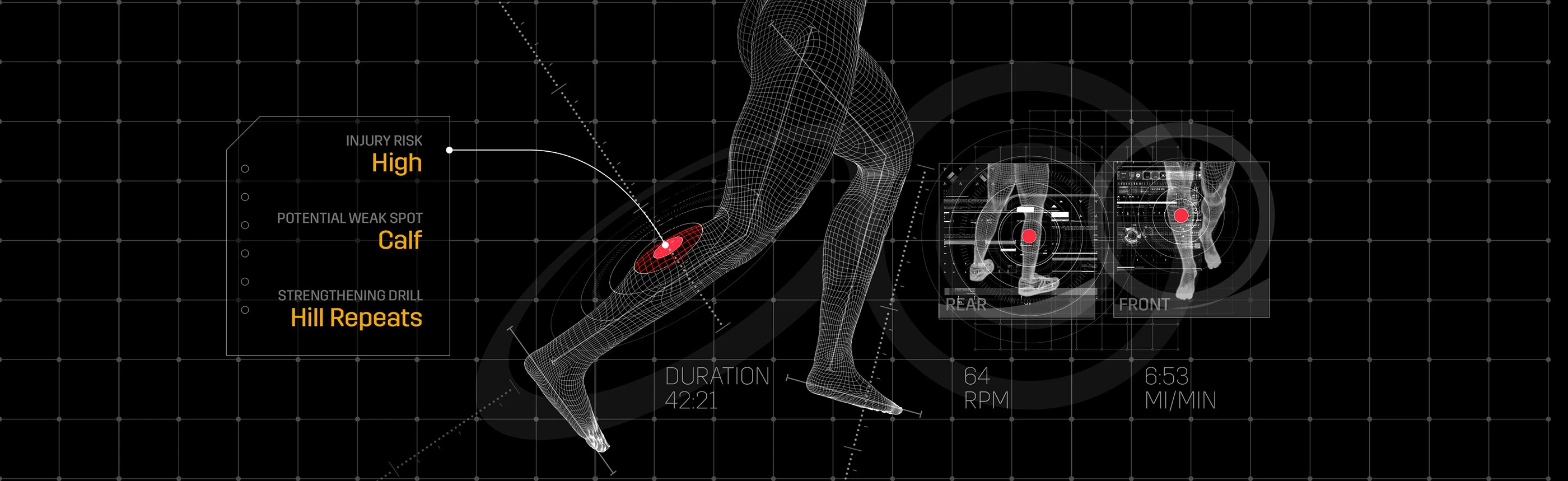
Stryd makes a running power meter. The design challenge was to make watts, leg stiffness, and ground-contact time feel inspiring rather than intimidating. I built a visual language that pairs heroic athlete photography with a clean data overlay — a single, legible number doing the emotional work, the complexity kept one layer back.
TrainingPeaks
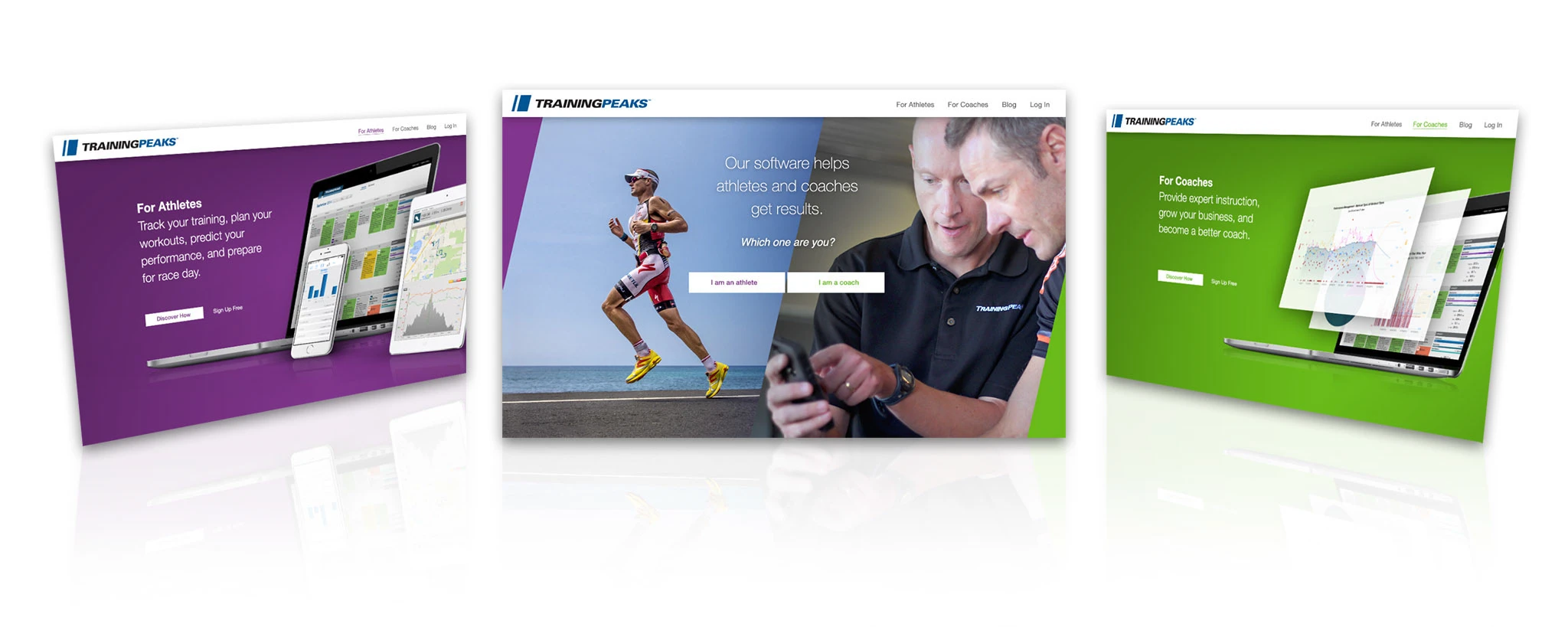
TrainingPeaks serves two very different users — athletes and the coaches who guide them — so the brand and marketing system had to speak to both without splitting in two. I used color and a clear “I am an athlete / I am a coach” fork to route each audience to the right story while keeping one coherent identity.
Athlinks
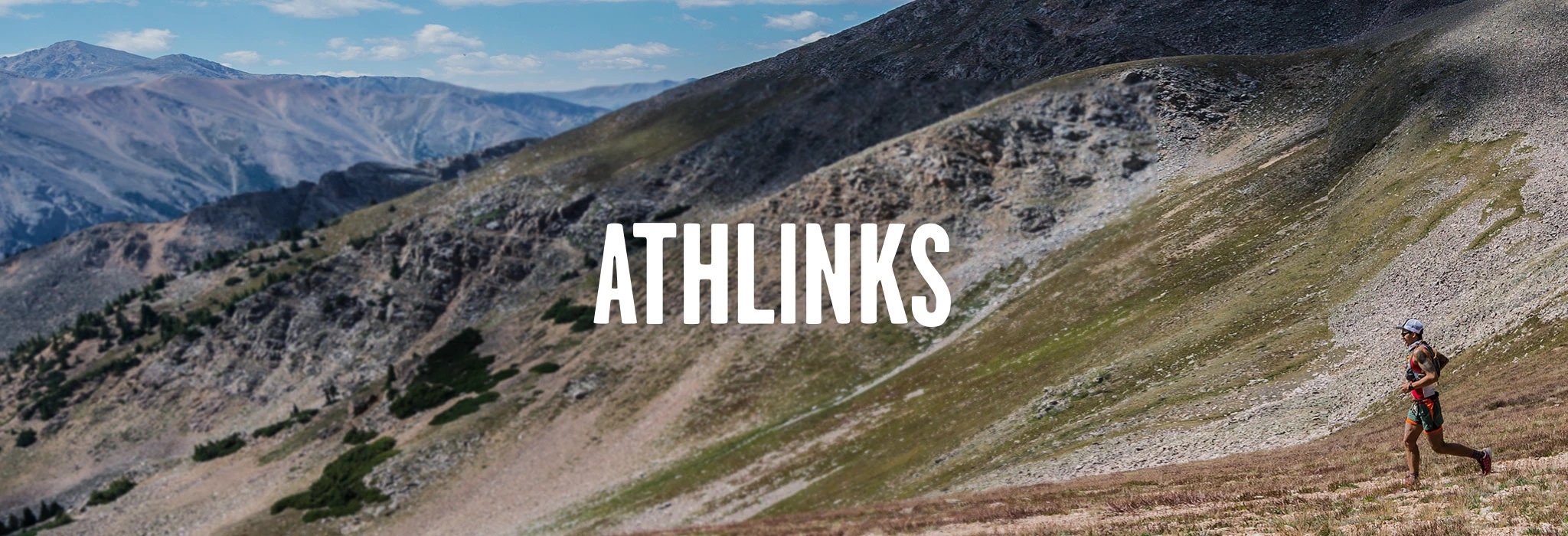
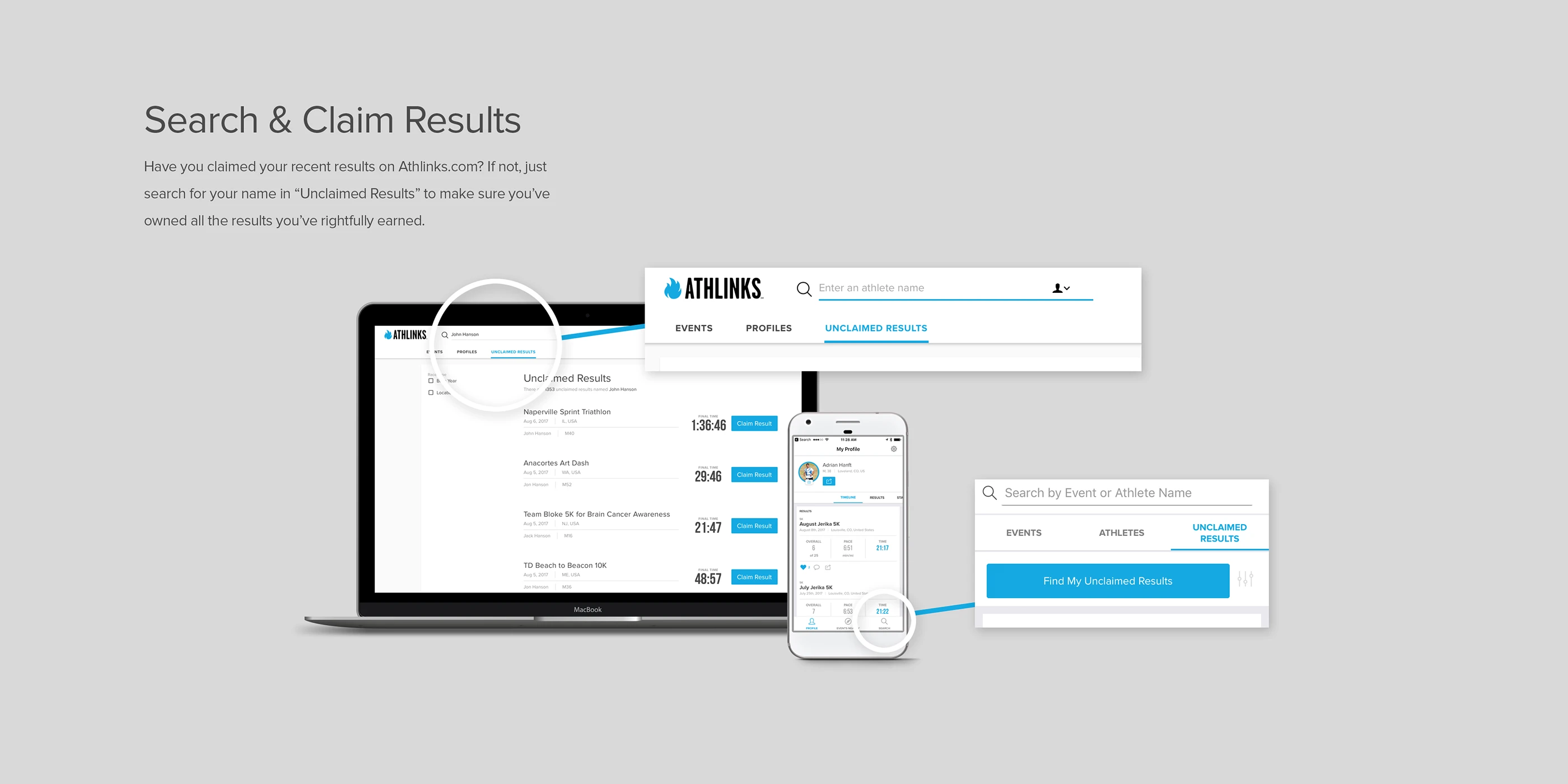
Athlinks is the world’s largest archive of race results. The brand had to feel as epic as the finish lines it celebrates, while the product made it effortless to find and claim your own results across web and mobile.
Runcoach
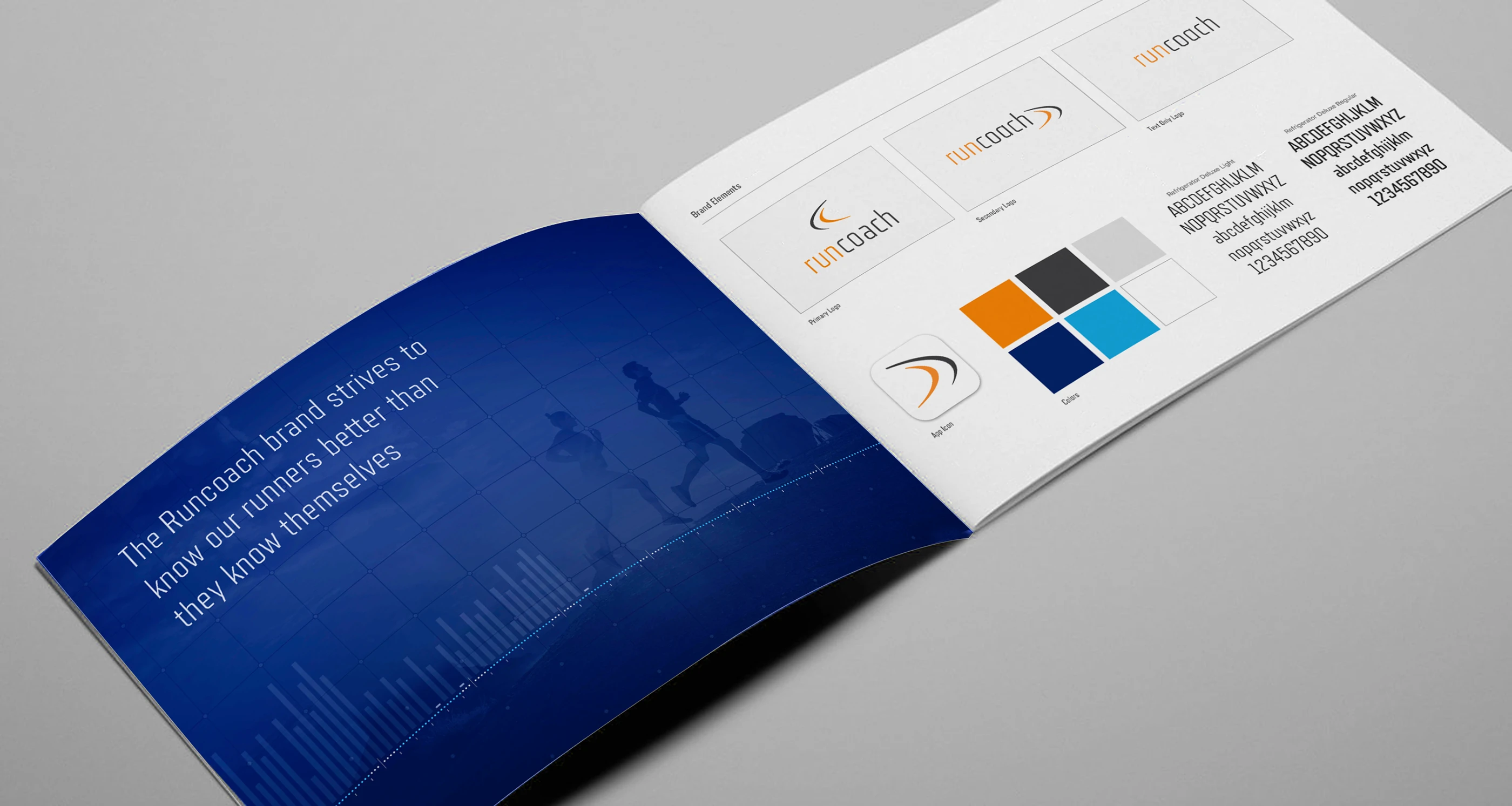
At Runcoach I led a full brand identity built on a simple promise — “know our runners better than they know themselves.” The design system spanned the logo, app icon, color, and type, and carried through the product as we surfaced the human coach behind the algorithm.
Run The Edge
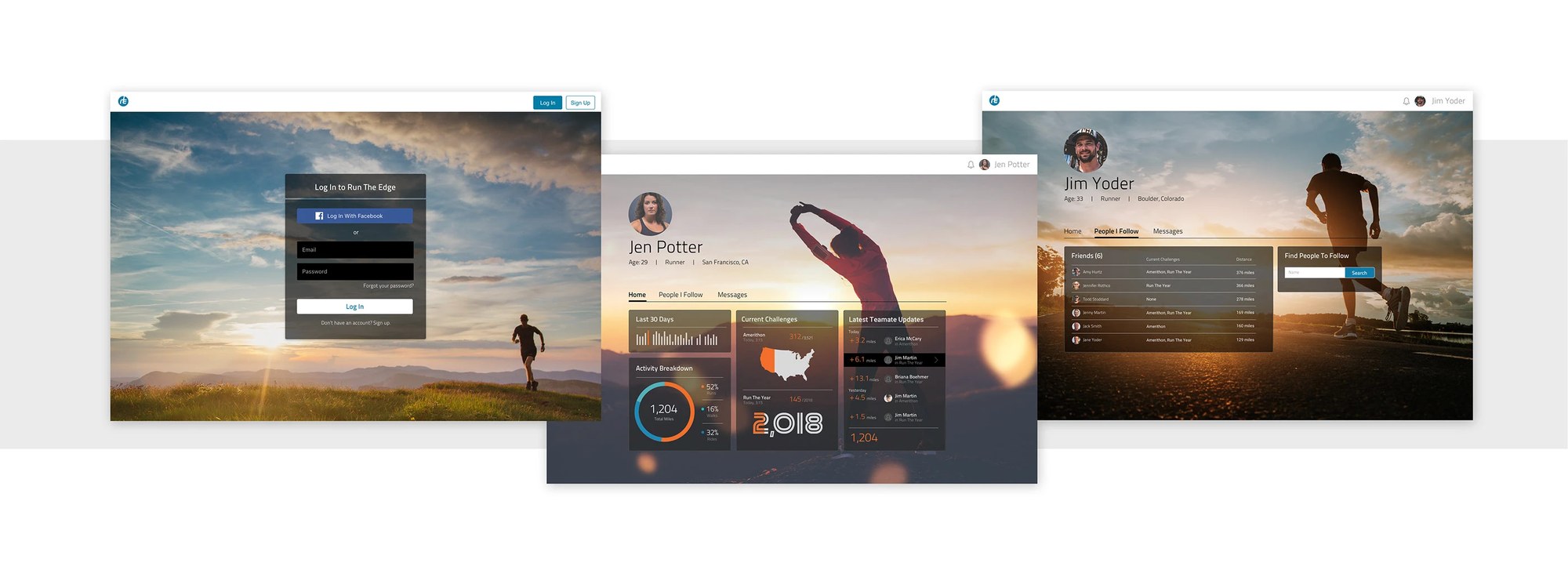
Run The Edge turns running into a community challenge — run 2,018 miles in a year, or the full distance across the United States. The risk with all that mileage is data paralysis: charts and totals that make a joyful goal feel like accounting software. So instead of opening the challenge dashboard with statistics, I opened it with a map of the country that fills with color as you log miles — a progress bar you can feel, marked with milestone badges and videos. (I also untangled the brand, consolidating challenges that had lived on separate sites behind one account — which cut confusion and cross-sold the community.) Amerithon launched July 4, 2018 and became the company’s most successful challenge to date.

The Through-Line
Five companies, one recurring brief: make performance data feel human. Whether it was a runner’s power output number, a coach’s voice inside an app, or a race result waiting to be claimed, the job was always to turn data into trust and motivation. It’s the same instinct I later carried into the agriculture industry and beyond — and it’s why I think of myself less as a designer of any one industry than as a designer of trust in data-rich products.